Concussion
A concussion is classified as a mild traumatic brain injury. For 80-90% of people with a concussion, symptoms will resolve within 10-14 days. For the other 10-20% of people, concussion can cause a long list of potential symptoms.
Research has shown that there a several sub-categories to concussion injury. These categories are as follows:
- Vestibular (inner ear)
- Oculomotor (eye movement)
- Cognitive
- Headache
- Emotional
Neck pain and sleep disorders are also common associations with concussion, and if you enjoy exercising, it is likely that you will find it difficult to return to pre-concussion levels of activity. For athletes, the main goal after a concussion is to quickly return to sport at peak performance with minimal risk of sustaining further injury.
If you have prolonged symptoms following a head injury, it is likely that you are suffering from significantly decreased quality of life. This is because decreased brain function can make normal daily activities seem very tiring e.g. walking, driving, thinking, computer-work. Getting back to normal is not always as simple as just “resting”. Most likely it will be necessary to rehabilitate specific areas of your brain.
With so many symptoms there can be a lot of questions about where to start the rehabilitation process. For many people, this can be overwhelming. At Neuroadvance we specifically assess and treat vestibular, oculomotor and cervical impairments, as well as giving you professional advice on exercise intensities and returning-to-sport. We use technology which gives accurate and reliable information about eye movement, balance and vestibular function. Learn more about assessment instruments.
It may be that your cognitive and emotional symptoms improve as a consequence of visuo-vestibular rehabilitation, however, if your problems with such symptoms continue, we recommend seeing a trusted professional who specialises in these areas.
Concussion Symptoms
Common causes of concussion include falls (28%), car accidents (20%), and being struck by an object (20% – including sports). When there is injury to the brain there is the potential for impairment to many of the various functions of the brain.
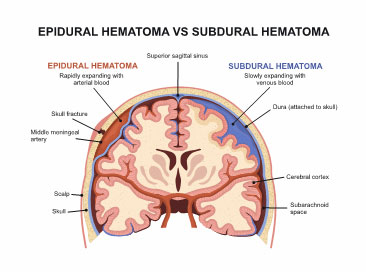
The initial concern is around the risk of epidural or subdural haematoma, parenchymal haemorrhage or increased intracranial pressure, all of which represent sinister features to head trauma. If there is a reason to suspect severe brain or neck injury, emergency evaluation is required.
If sinister injury is not suspected there are some key questions to consider:
- – what impairments have occurred because of the injury?
- – what is the best way to assess and measure the current impairments?
- – when is the best time to return to sport?
The answers to these questions can become complex due to broad variety of symptoms following concussion.
In 2016, a group of experts came together for the 5th international conference on concussion. From this meeting there was an assessment tool developed called the SCAT5, standing for Sport Concussion Assessment Tool, 5th edition.
The SCAT5 is a widely recognized assessment tool for sideline assessment of sports-related-concussion. Also at this meeting, there was agreed to be 22 possible symptoms relating to concussion. These symptoms are listed here:
- Headache
- Dizziness
- Confusion
- Drowsiness
- More emotional
- ‘Don’t feel right’
- ‘Pressure in the head’
- Difficulty concentrating
- Difficulty remembering
- Nausea or vomiting
- Neck pain
- Fatigue or low energy
- Blurred vision
- Balance problems
- Sensitivity to light
- Sensitivity to noise
- Feeling like ‘in a fog’
- Feeling slowed down
- Trouble falling asleep
- Nervous or anxious
- Sadness
- Irritability
All concussions are unique with multiple types of impairments common, making them complex to assess and difficult to treat. Concussion can be viewed as a collection of sub-categories, each representing different neurological pathways and functions. They include:
- Cognitive
- Headache migraine
- Oculomotor
- Vestibular
- Anxiety / mood
As well as two concussion-associated conditions:
- Sleep disturbance
- Cervical strain
For a proportion of concussions (approx.. 10-20%), there is likeliness of a prolonged recovery. Risk factors for this include:
- high severity of acute and subacute concussive symptoms
- a high number of concussive symptoms
- prolonged loss of consciousness (longer than one minute)
- post-concussive seizure
- previous history of concussion
- age of the athlete (a more conservative approach is indicated in children and adolescents)
- female gender
- history of depression, anxiety, or migraine.
Over the last two decades, management of sport-related-concussion changed. An average of 4 days rest seemed appropriate in 1997, whereas in more recent times, there has been a heightened awareness of the inconspicuous damage to the brain, meaning average return to play duration was closer to 12 days in 2017.
Further studies have begun to suggest that perhaps even sub-concussive forces, such as “heading” a soccer ball, can have an effect on the brain, with the potential for irreversible, long-term damage. If the current trajectory continues, there will be further insight into brain injury over the next ten years, which will likely reveal further unfavourable news about the damage occurring to athletes who suffer repetitive blows to the head.